Attention and Intrinsic Motivation: How to Successfully Sustain Student Focus in the Classroom



By Dr. Staci Lorenzo Suits
Introduction: The Power of Engagement
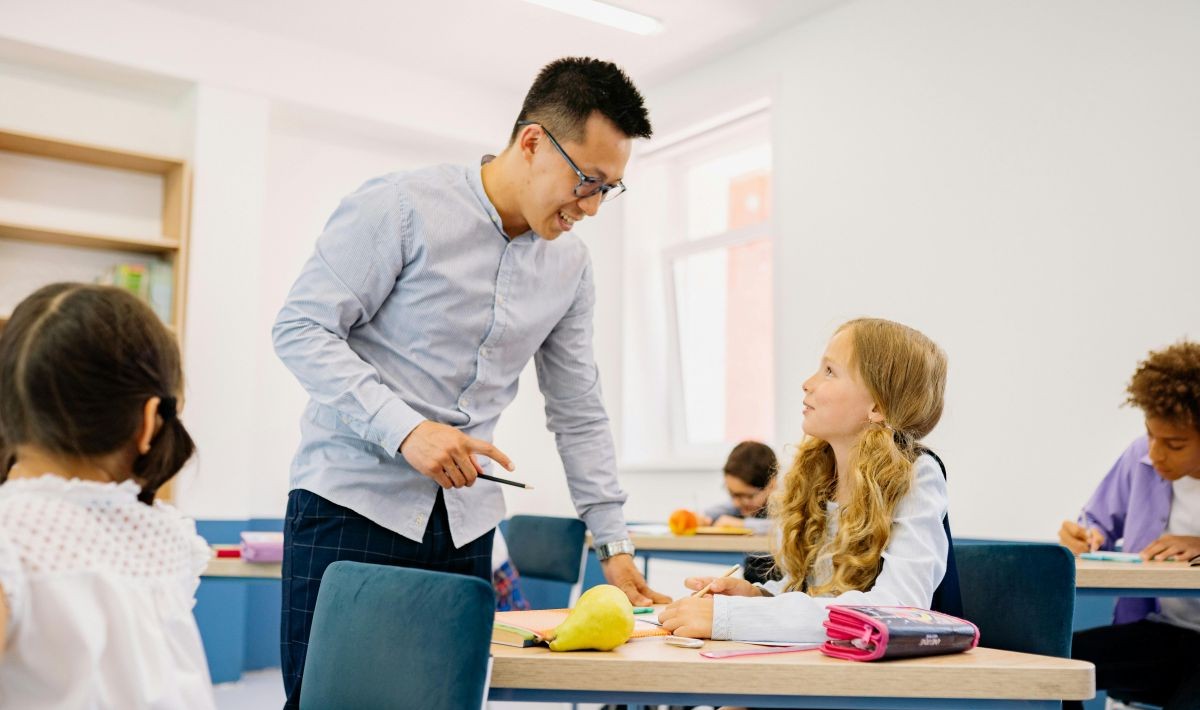
My husband has been teaching for 30 years, and one of the things I appreciate most is hearing from his former students about what truly mattered to them in his classroom. Most often, they recall memorable experiences where they felt involved and excited, like when he used popular song lyrics to teach poetry or brought ancient Roman civilization to life by having students act out scenes. These moments exemplify genuine student engagement, when learners are both interested and enthusiastic about their work; even students with ADHD found themselves focused and involved because the activities were intrinsically motivating and hands-on.
Why Attention and Intrinsic Motivation Matter
Sustaining student attention remains a persistent challenge for educators. Whether due to increased screen time, reduced recess, or other factors, many students struggle to stay focused in the classroom. The concepts of attention and intrinsic motivation are central to addressing student focus. When students are driven by genuine interest and curiosity, they are much more likely to maintain their attention and engage deeply with learning.
Teachers don’t need another vague call to “make lessons engaging.” Instead, they need clear, evidence-based strategies to understand how to design learning experiences that support sustained attention and intrinsic motivation.
By using strategies that foster intrinsic motivation, educators can create environments where student focus flourishes.
Understanding Attention in the Classroom
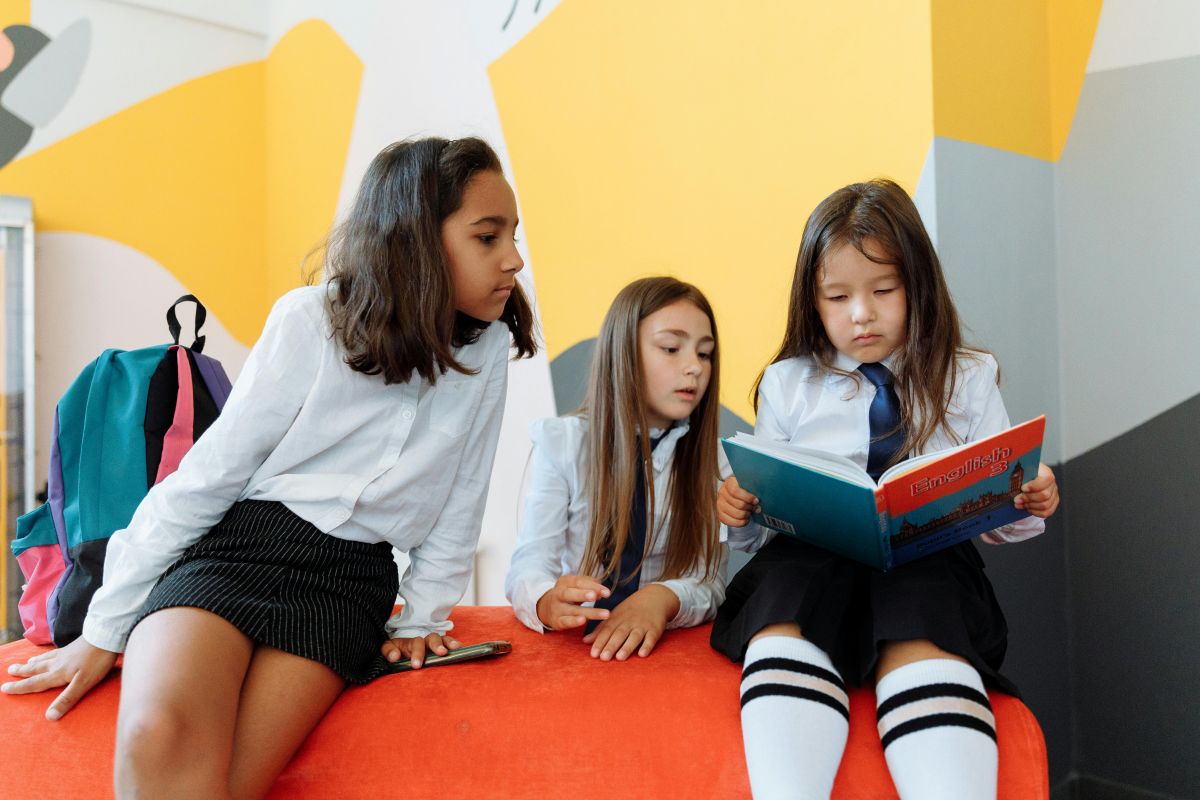
Every teacher has seen students staring blankly instead of listening to the lesson or playing with their shoelace instead of writing in the notebook. Capturing and maintaining student attention is a prerequisite for learning, yet it is one of the greatest challenges in education. Without sustained attention, students are unlikely to process information deeply or retain new concepts, making it essential for teachers to understand how to foster focus in the classroom (Keller et al., 2020).
Attention is the cognitive process that enables students to focus on particular information. In the past, we considered attention as a matter of effort, and if students lacked focus, they just needed more discipline. However, modern cognitive neuroscience has shown that attention isn’t just a matter of willpower, compliance, or classroom management. Rather, it is a skill that can be developed and improved with purposeful techniques.
Classrooms that support sustained attention are usually classrooms where students understand expectations, have opportunities to experience success, and are known by the adults teaching them, which are the same underlying principles that underlie intrinsic motivation. This shifts the question from “How do we make students focus?” to “How do we design learning that facilitates student focus?” also shifting our emphasis from “more or better consequences,” to “creating conditions that increase engagement in the learning process.”
Intrinsic Motivation: Fuel for Learning

Intrinsic motivation describes an inner drive to learn, evidenced by participation in an activity because it is inherently rewarding. Students who are intrinsically motivated persevere through difficulties, enjoy the learning process, and develop a deeper understanding.
The 2016 Gallup Student Poll found that while 74% of fifth graders reported being engaged with school, this number drops to about one-third by high school, with the sharpest decline during the middle school years. This decrease in engagement, defined as involvement and enthusiasm for school, is troubling, as it is closely linked to academic success, hopefulness, and positive outcomes (Busteed, 2017).
Many educational institutions erroneously focus on external data related to academic achievement rather than understanding that by fostering engagement, academic achievement will subsequently increase. When schools invest in creating environments that support student motivation and engagement, improvements in academic performance naturally follow as students become more invested and capable learners.
Research shows that the easier and more monotonous a task is, the more tiring it is and the more mental effort is required to stay focused, leading to fatigue and loss of interest; in contrast, people are able to hold their attention more easily and for longer periods of time for tasks that are appropriately challenging, intrinsically interesting, and engaging (Langner & Eickhoff, 2013). Students are more likely to invest attention in tasks that involve active learning and engagement, and an appropriate level of complexity and mental stimulation.
Meeting Students’ Psychological Needs
According to self-determination theory, intrinsic motivation depends on meeting students’ psychological needs in the areas of relatedness, competence, and autonomy (Ryan & Deci, 2000).
- Autonomy: Giving students meaningful choices without sacrificing learning goals.
- Competence: Providing appropriately challenging work and constructive feedback.
- Relatedness: Fostering a sense of belonging and connection with adults and peers.
Translating Research Into Practice
Not every classroom activity needs to be entertaining. What matters is that students see value in their work and feel capable of success. Students who can say, “I have a voice and meaningful choices,” “I know what strategies to use and can succeed,” and “It’s safe for me to try and I belong here,” are more likely to engage deeply and sustain attention.
Active Learning: Strategies for Engagement
Active learning techniques foster engagement and attention. Instead of lengthy passive instruction, provide frequent opportunities for students to interact with content, receive feedback, and practice skills. Attention declines during passive learning, but active methods such as retrieval practice, peer teaching, and collaborative tasks boost both attention and retention (Freeman et al., 2014).
Sustained attention does not always mean sitting still. Movement, interaction, and hands-on activities help many learners focus. Some practical ways to implement active learning include:
- Turn and Talk: Pair students to discuss a question or idea.
- Whiteboard Activities: Have students write or draw their thinking for quick sharing and feedback.
- Sorting or Matching: Use manipulatives or cards to categorize information.
- Role Play: Allow students to act out scenarios or concepts.
- Teaching a Peer: Encourage students to explain a concept to a classmate.
By designing lessons that include frequent opportunities for action, feedback, and movement, teachers create environments where attention and motivation can thrive.
Building Autonomy and Competence
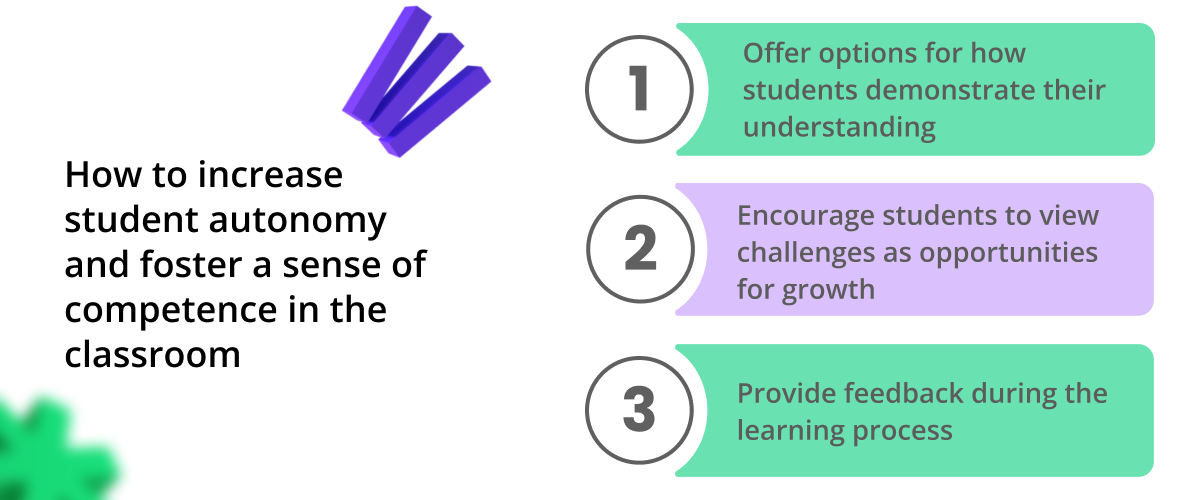
To build intrinsic motivation and sustain attention, it is essential to increase student autonomy and foster a sense of competence in the classroom. Providing students with limited, meaningful choices allows them to take ownership of their learning while maintaining clear instructional goals. For example, teachers can offer options for how students demonstrate their understanding—such as writing, drawing, or presenting—without compromising the learning objective. Strategic use of choice empowers students and helps them feel their voice matters.
Fostering a growth mindset is equally important. Encouraging students to view challenges as opportunities for growth enhances both attention and motivation. Teachers should connect effort to progress, helping students see that strategies and persistence influence outcomes. Mistakes should be normalized as valuable information rather than failures, reinforcing the idea that learning is a process.
Providing feedback during the learning process, rather than waiting until the final product is complete, helps guide students and builds their confidence. Ending lessons with reflection, such as asking students what strategy helped, what was challenging, or what they understand better now, further supports the development of autonomy and competence and encourages students to take ownership of their learning journey.
Fostering Relevance and Relationships
Students are more likely to sustain attention and motivation when they understand why learning matters. Relevance can be academic, personal, cultural, social, or practical. Connect lessons to real-world problems, student interests, current events, future goals, peer discussion, hands-on applications, or questions students already have. For example, a math lesson becomes more meaningful when students apply concepts to budgeting, sports statistics, architecture, cooking, or technology. Similarly, a reading lesson is more engaging when students see how its themes relate to friendship, fairness, identity, courage, or decision-making.
Relevance does not require every lesson to be a major project. Often, it is as simple as explaining, “Here is why this matters,” or “Here is where you might use this.” By connecting lesson content to students’ interests and experiences, teachers can spark curiosity and foster intrinsic engagement.
Equally important is fostering a supportive classroom climate. Positive relationships with teachers and peers help students feel safe, valued, and connected, which builds a sense of belonging. This relatedness supports both motivation and attention. When students feel respected and included, they are more willing to participate, take risks, and persist through challenges. Creating opportunities for collaboration, peer discussion, and shared experiences further strengthens these connections and helps all students thrive.
Rewards and Gamification: Use with Care
External rewards and gamification can increase performance or behavior, but must be used carefully. Tangible rewards can decrease intrinsic motivation (Deci & Ryan, 1999), though effects depend on context (Cameron et al., 2001). Rewards are most effective as a bridge into learning, not a replacement for intrinsic goals (Bardach & Murayamam, 2025). Game-like elements may boost initial engagement but can reduce motivation over time (Ratinho & Martins, 2023).
To support lasting motivation, focus feedback and praise on strategies and effort. Avoid language suggesting students should work only for rewards. When external rewards are needed, pair them with opportunities for choice and skill-building and gradually fade them as students become more confident. Help students notice their progress and choices, connecting effort and growth to the value of learning.
Conclusion: Optimizing Learning Outcomes
Sustaining attention and nurturing intrinsic motivation are essential not only for academic achievement but also for developing lifelong learners. When educators and families understand these processes and apply evidence-based strategies, such as designing relevant active learning tasks, fostering supportive relationships, and creating environments that value autonomy and competence, students are more likely to thrive both in and out of the classroom. Student focus is best cultivated by engineering engagement, rather than simply managing behavior, through supporting autonomy, building competence, and creating a classroom culture where it’s safe to try. Intrinsic motivation flourishes when students feel connected to their learning, see themselves making progress, and are actively involved in the process. These teachable skills benefit learners far beyond the classroom, preparing them for success throughout life.
References
Bardach, L., & Murayama, K. (2025). The role of rewards in motivation—Beyond dichotomies. Learning and Instruction, 96, Article 102056. https://doi.org/10.1016/j.learninstruc.2024.102056
Busteed, B. (2017, May 10). Student enthusiasm falls as high school graduation nears. Gallup. https://news.gallup.com/opinion/gallup/211631/student-enthusiasm-falls-high-school-graduation-nears.aspx
Cameron, J., Banko, K. M., & Pierce, W. D. (2001). Pervasive negative effects of rewards on intrinsic motivation: The myth continues. The Behavior analyst, 24(1), 1–44. https://doi.org/10.1007/BF03392017
Deci, E. L., & Ryan, R. M. (1999). The "what" and "why" of goal pursuits: Human needs and the self-determination of behavior. Psychological Inquiry, 11(4), 227–268. https://doi.org/10.1207/S15327965PLI1104_01
Freeman, S., Eddy, S.L., McDonough, M., Smith, M.K., Okoroafor, N, Jordt, H. & Wenderoth, M.P. (2014) Active learning increases student performance in science, engineering, and mathematics. Proceedings of the National Academy of Sciences, 111(23), 8410-8415. https://doi.org/10.1073/pnas.1319030111
Keller, A. S., Davidesco, I., & Tanner, K. D. (2020). Attention matters: How orchestrating attention may relate to classroom learning. CBE—Life Sciences Education, 19(3), ar43. https://doi.org/10.1187/cbe.20-05-0106
Langner, R., & Eickhoff, S. B. (2013). Sustaining attention to simple tasks: A meta-analytic review of the neural mechanisms of vigilant attention. Psychological Bulletin, 139(4), 870–900. https://doi.org/10.1037/a0030694
Ratinho, E., & Martins, C. (2023). The role of gamified learning strategies in student's motivation in high school and higher education: A systematic review. Heliyon, 9(8), e19033. https://doi.org/10.1016/j.heliyon.2023.e19033
Ryan R. M. & Deci E. L. (2000). Self-determination theory and the facilitation of intrinsic motivation, social development, and well-being. American Psychologist, 55(1), 68–78. https://doi.org/10.1037/0003-066x.55.1.68
This article was crafted by Dr. Staci Lorenzo Suits, an independent contributor engaged by CheckIT Labs, Inc. to provide insights on this topic.

Staci holds a doctorate in school psychology and diplomate status in school neuropsychology. She specializes in strength-based school neuropsychological evaluations and is especially passionate about strength-based neurodiversity-affirming practices, student self-advocacy, family engagement, and addressing educator burnout and retention.