The Revolution will not be Digitized: Making the Case to Return to a Culture of Reading

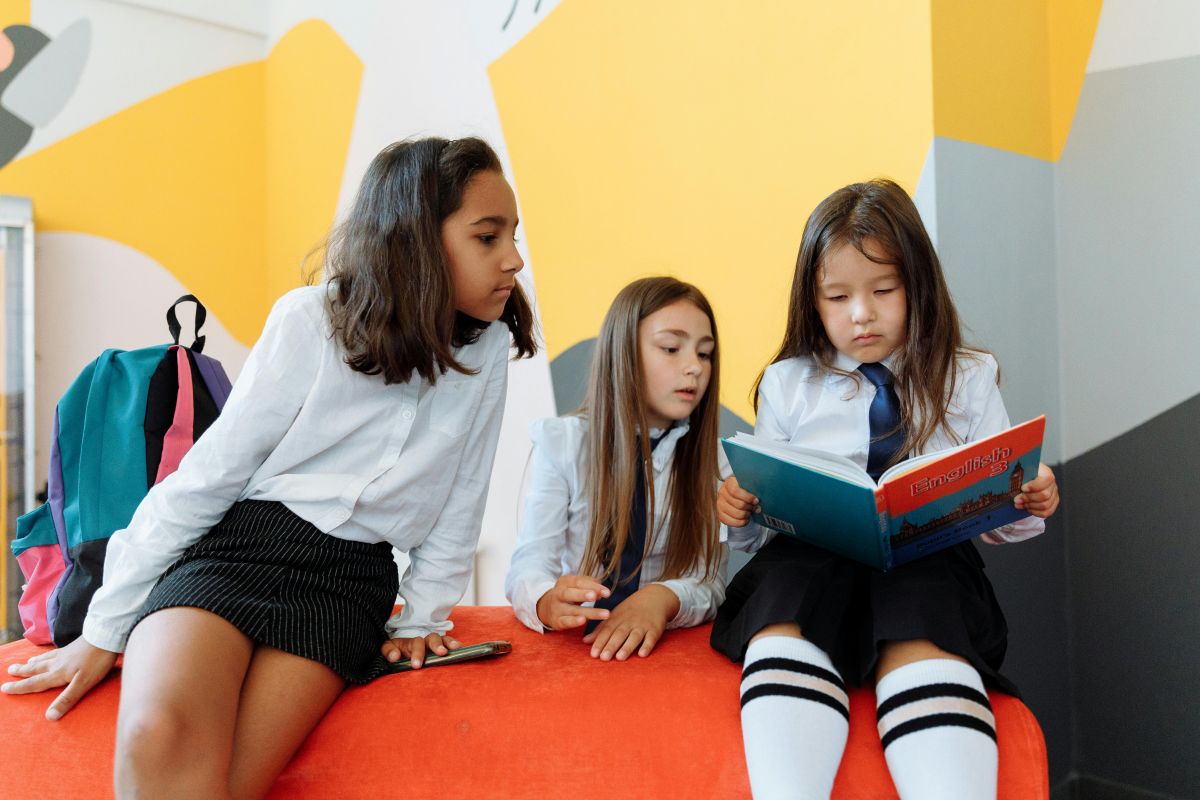

According to a nationally representative study out of the University of Florida and University College London, the proportion of Americans who read for pleasure on an average day has declined by more than 40% over the past 20 years (Bone et al., 2025). Findings from a preceding study suggest that a shift in America’s reading patterns occurred long before the early 2000’s, with reading for pleasure following a continuous downward trajectory since 1940 (Bradshaw & Nichols, 2004). Together, these studies capture an 80-year decline in reading for pleasure across America, begging the questions:
What has taken us away from reading?... And what would it take to bring us back?
I dream of a world where we collectively return to a time in our history when literacy was a revered art form, a vehicle for exploration, a cathartic escape, and a tool for liberation.
The Culture of Reading vs. Scrolling
Some argue that reading for pleasure pales against our wide range of entertainment and information dissemination modalities, which continue to expand in scope, sophistication, and diversity (Twenge et al., 2019). In this day and age, reading is almost exclusively associated with academic assignments, standardized tests, work-related to-dos, and other obligatory tasks. The general consensus appears to be that scrolling on social media is flashier, cooler, and more gratifying than cozying up with a good book in a comfy reading nook.
Our phones are constantly pinging, seducing us into a collective media-induced hypnosis. It makes sense. There is a powerful force distracting us from many practices that, in our past, we couldn’t have imagined doing without. Gone are the days when we rushed to our stoops to unfold the comic section of the daily newspaper. Library traffic has shifted from safe havens for quiet reading to digital footprints and free Wifi access (Davidson, 2023). Why read for leisure when entertainment, news, and AI-powered sidekicks are readily accessible in the palms of our hands?
The answer is simple: Our future depends on it. We must continue to explore our passions and wonders through literature because the intelligence and well-being of our future depend on our reading habits today. Reading for pleasure in childhood and adolescence is associated with improved cognitive and academic performance, healthier brain structure development, better mental health, increased empathy, and healthier lifestyle habits—pillars of the high-functioning, inclusive, interconnected society we all hope to be working toward (Sun et al., 2023). It then becomes our responsibility to support the development of our youth by ensuring that their world is saturated with opportunities to interact with literature outside of the context of schooling.
We must teach them that, while the allure of digital entertainment cannot be ignored, reading for pleasure remains a powerful catalyst for reflexivity, exploration, and growth.
Nurturing Literary Appreciation in Future Generations
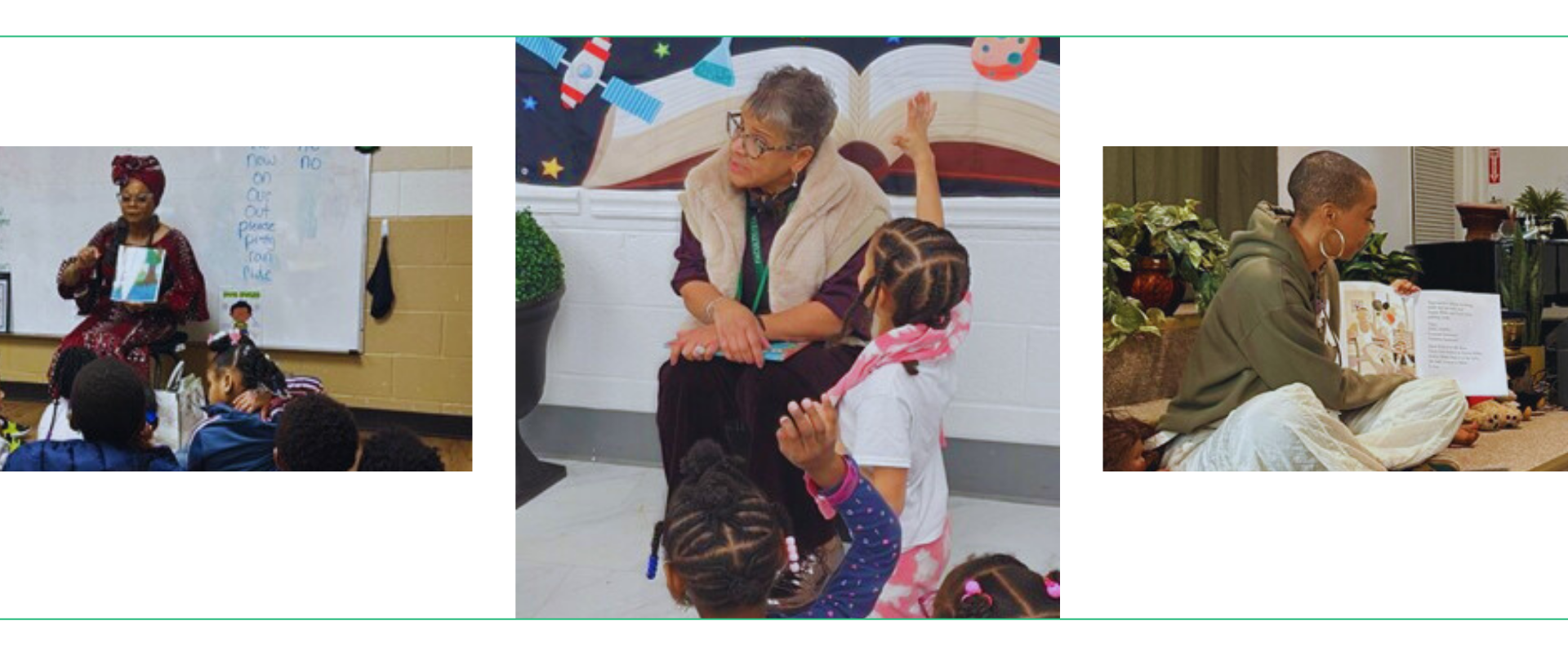
Of course, there are benefits to digital media; it is not inherently bad. It allows us to track the ebbs and flows of our ever-shifting culture and language. It captures the creative and inspiring ways young people shape our human experience. Their genius is undeniable—they share complex thoughts and experiences through the colloquialisms, sociolects, and paralinguistics that adorn our beloved internet. We can now carry on full conversations without saying a word. Our sentiments are often better asserted through gifs, memes… maybe a stream of emojis, or, as I like to call them, modern-day hieroglyphics 🙂. Young folks are doing their part.
However, as mentors, we carry a different responsibility—the responsibility of bequeathing our appreciation for literature to the next generation.
How does this look? It starts with an acknowledgement of our ancestors—of those who scratched, clawed, and died for our right to read. In the American context, this acknowledgement is foundational to the very idea of “liberty and justice for all.” We must confront the painful truth that denial of literacy was, and continues to be, a means of oppression. We must honor those who were burdened by the threat of execution in order to practice their God-given right to read. To read in tongues both native and foreign. To write the counternarratives of our ancestors. To strengthen transgenerational pride. We must harness the courage of those who persisted in their efforts to educate themselves despite the dangers—those who continue to inspire us through their visceral vernaculars, awe-inspiring anecdotes, and seductive syntax. We must read their works, honor their legacies, and surrender to their wisdom.
With this acknowledgment comes the responsibility to initiate, invite, and organize. In her book, Cultivating Genius, Gholdy Muhammad revisits the literacy practices of the 19th century, a time in our history when Black communities shared and discussed literature across regions, networks, and sectors. These communities, referred to as literary societies, used literature as a tool for criticality and identity meaning-making. To this end, literacy became redefined as not only the acquisition of reading, writing, and speaking skills, but also the procurement of self-empowerment, self determination, and self-liberation (Muhammad et al., 2020). Cultivating Genius is a call to return to the practices that made reading exciting, challenging, and intellectually stimulating. I interpret this as inviting young people into “literary societies” by sharing and discussing literature that interests them and is relevant to their world, then soliciting their thoughts and perspectives as we engage in the collective process of identity-meaning making. We can begin by sharing quotes, then advancing to articles, and eventually sharing lengthier works with rich social commentaries and existential conundrums. In this way, we activate the genius that lies in every young person, using literature as an anchor.
Reconnecting with Our Inner Child Reader
In order to invite young people into literary societies (and inspire them to create their own), we must first model our appreciation for literature by reconnecting with our inner child—the one that jumped for joy at the sight of Scholastic Book Fair signage. We must tap into the wonder that was once evoked through the sight and smell of physical copies of our favorites—Goosebumps, The Babysitters Club, Captain Underpants… (the list goes on and on). Now that we have grown, as a society, in our understanding of the importance of culturally representative texts, we have access to a myriad of culturally and ethnically relevant literature to enjoy with the young people we love.
With this comes the freedom to add elements of critical consciousness to discussions grounded in developmentally appropriate texts—a gift we can now pass down to our successors. If you’re looking for a good place to start, Teaching for Change has curated a collection of critically-reviewed, social-justice oriented books for children and young adults through their SocialJusticeBooks.org project. They offer more than 100 booklists to meet the unique needs of young readers.
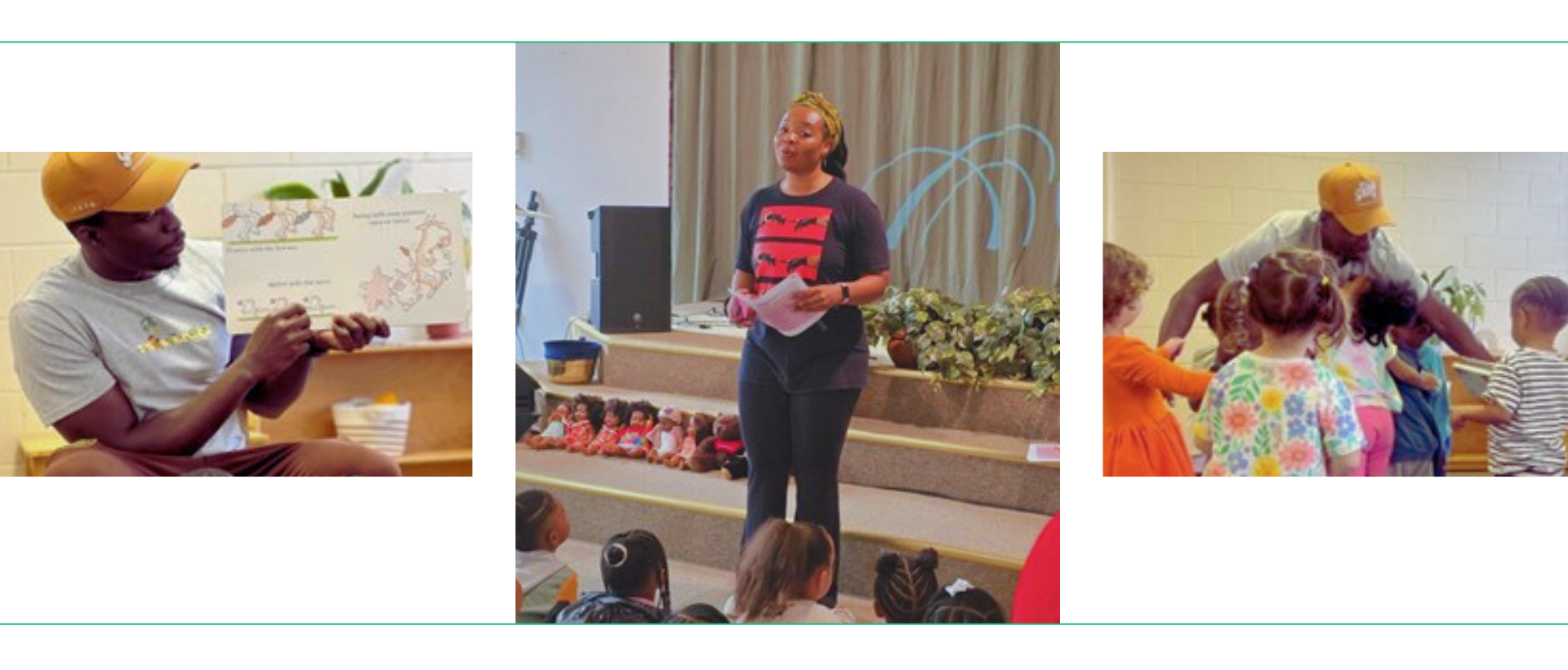
Although I am now out of the classroom, I will never quite abandon my title as an English educator. Some of my most energizing conversations came by way of exchanging ideas and thoughts with young people. As a mother, I now use literacy as a tool to cultivate strong bonds with my children, support their development, and foster criticality and empathy. This passion led me to organize “Our Stories, Our Strength,” a Black History Month literacy initiative at my nine-year-old daughter’s school that invites parents and community members to share immersive stories with students. Through this program, students encounter narratives that serve as both windows and mirrors, helping them see the richness of Black history and culture while also recognizing their own potential, pride, and power. By engaging teachers, families, and community members as storytellers, the program uses literacy to honor the past, celebrate the present, and inspire the future while strengthening students’ love of reading, writing, and self-expression.
As for my two-year-old son, our family has learned not to get in the way of his nightly reading sessions, lest we all feel the wrath of his disappointment. He clumsily sprints to the bookshelf, grabs his latest favorites, and stumbles over cascading books yelling, “Can you read it?!” I remain grateful for story reading opportunities at his school, as they invite parents into classrooms weekly to engage in storytime with their loving little tots. It spreads joy, strengthens relationships between families and school personnel, and sets a strong foundation for early literacy.
Reading and discussing literature with young people is one way I hope to inspire the next generation of readers—to share the ways in which engaging with literature, gaining access to literacy, and capturing ideas in print has advanced, and will continue to advance, the modern world. I invite you to reflect on the role that literacy has played in shaping your understanding of yourself and the world around you… and to reignite your love of reading by cultivating a culture of excitement and appreciation for literacy among our youth—one that empowers the next generation to build on the stories that came before us, to rewrite the wrongs, and to contribute powerful prose to our ever-evolving manuscript.
Images:
Parents reading during Our Stories, Our Strength, a Black History Month literacy initiative
References:
- Bone, J. K., Bu, F., Sonke, J. K., & Fancourt, D. (2025). The decline in reading for pleasure over 20 years of the American Time Use Survey. iScience, 28(9), 113288. https://doi.org/10.1016/j.isci.2025.113288
- Bradshaw, T. & Nichols, B. (2004). Reading at risk: A survey of literary reading in America. National Endowment for the Arts. https://files.eric.ed.gov/fulltext/ED484208.pdf
- Twenge, J. M., Martin, G. N., & Spitzberg, B. H. (2019). Trends in U.S. adolescents’ media use, 1976–2016: The Rise of Digital Media, the decline of TV, and the (near) demise of print. Psychology of Popular Media Culture, 8(4), 329–345. https://doi.org/10.1037/ppm0000203
- Davidson, N. (2023). Public libraries ditched card catalogs. Are Computers Next?. Governing. https://www.governing.com/policy/public-libraries-ditched-card-catalogs-are-computers-next
- Sun, Y.-J., Sahakian, B. J., et al. (2023). Early-initiated childhood reading for pleasure: Associations with better cognitive performance, mental well-being and brain structure in young adolescence. Psychological Medicine. https://doi.org/10.1017/S0033291723001381
- Muhammad, G., Love, B. L., & Winn, M. T. (2020). Cultivating genius: an equity framework for culturally and historically responsive literacy. Scholastic.
This article was crafted by Dr. Tawheedah Abdullah, an independent contributor engaged by CheckIT Labs, Inc. to provide insights on this topic.

Dr. Tawheedah Abdullah
Education practitioner, Musician, Poet, Mother, and Social Justice Warrior
See All Articles
Dr. Tawheedah Abdullah is an education researcher, practitioner, musician, poet, and mother. Holding a doctorate in Educational Leadership and Policy, she serves in critical roles across the education system, working to improve outcomes for historically underserved students. Her passion currently guides her work as the Deputy Director & Technical Assistance Lead at the Southern Education Foundation's Equity Assistance Center–South.